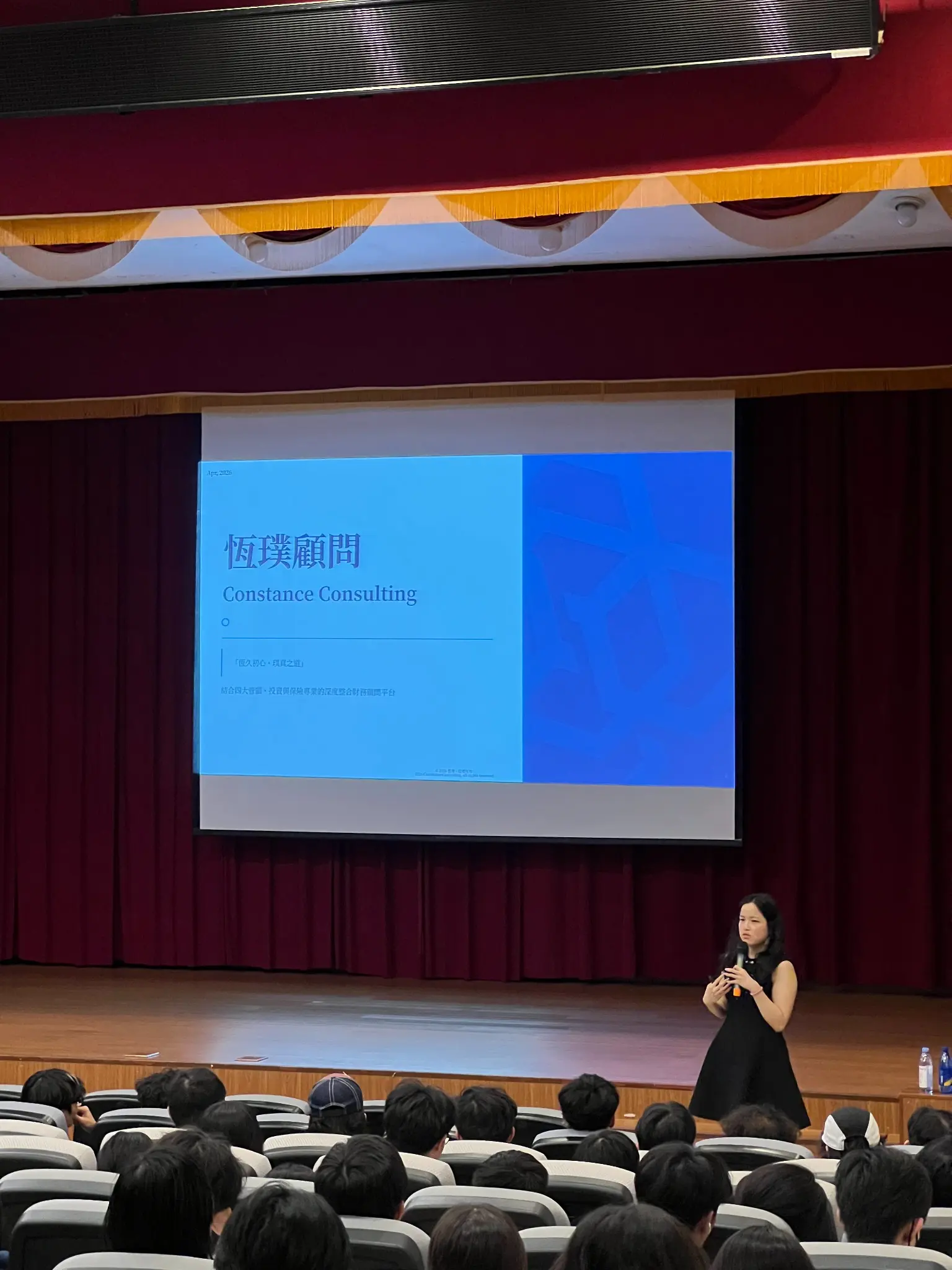

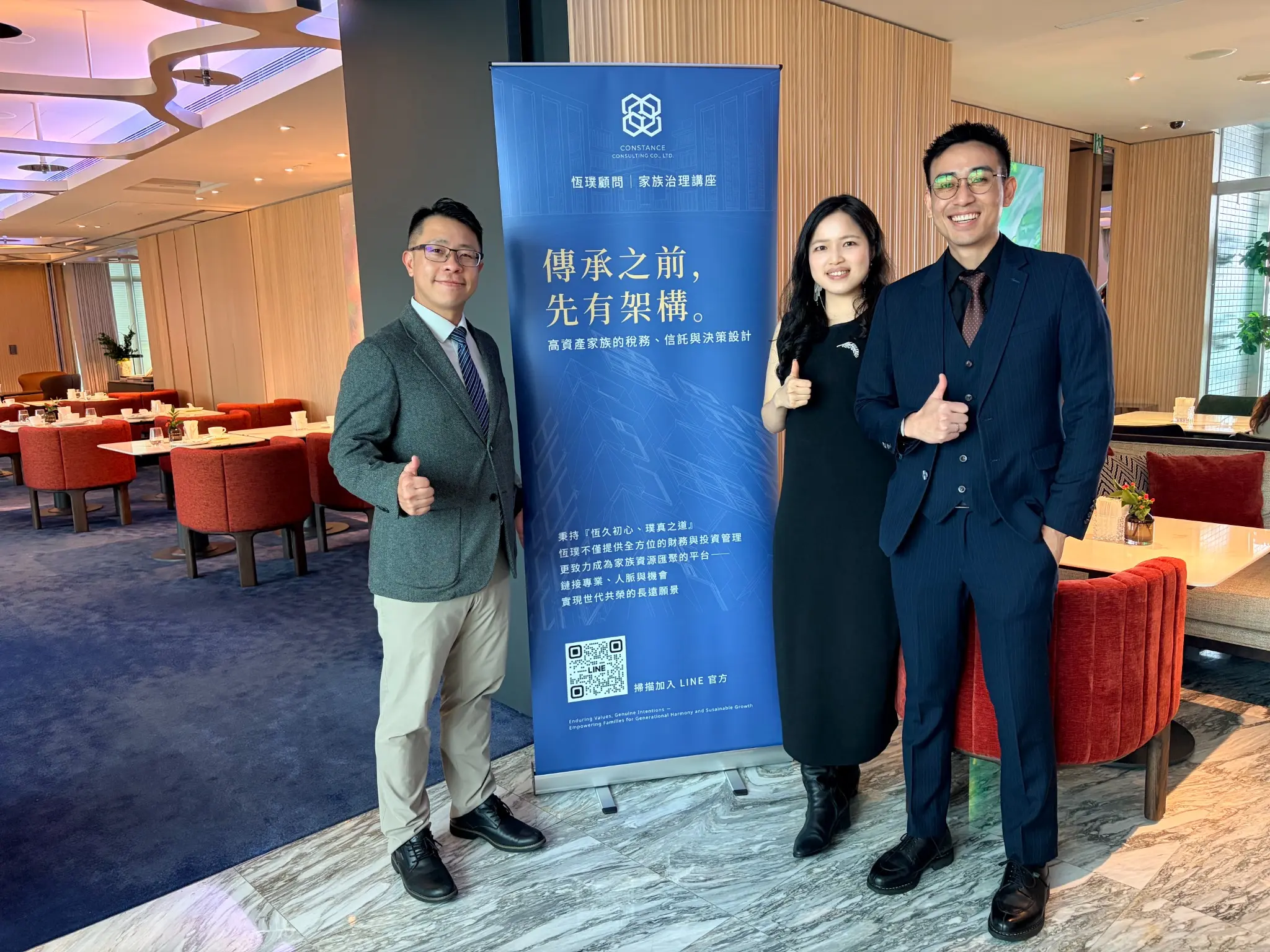
On the afternoon of June 10th, Hengpu Consulting and Chengyi CPA Firm at the Ranyih Hotel in Kaohsiung
co-organized2026 High-Net-Worth Family Wealth Succession Seminar: Enduring Original Intent and the Path of Pristine Truth
Over twenty distinguished guests were present, and we deliberately kept it small-scale.
Maintain a high level of interaction and privacy throughout the lecture: every attendee's question can be fully addressed on-site.
Why now?
At the start of the lecture, we dive straight into the most recent and highly anticipated regulatory developments.
On June 2, the Ministry of Justice announced the draft amendments to certain provisions of the Chapter on Succession in the Civil Code, which proposes to abolish the statutory reserved portion for siblings, shorten the maximum period for which a testator can prohibit the division of an estate from ten years to five years, and simultaneously introduce a special contribution system.
The speaker, CPA Hsu Yi-Fan, head of Chengyi CPA Firm, summed up the most easily misunderstood point in one sentence: "What is being abolished is the 'compulsory portion,' not the 'right of inheritance.'"
If no will is made during one's lifetime, siblings still inherit according to the statutory order of succession; once the time limit for "locking the estate" via a will is halved, the defense lines previously supported by wills also become thinner accordingly.
(The Legislative Yuan passed the third reading of the amendment to Article 1223 of the Civil Code on July 28, 2026, officiallyDelete "reserved portion for siblings"
First Half | The Accountant's Perspective: Five Tax-Saving Strategies and Regulatory Red Lines
CPA Hsu has condensed the tax considerations for high-net-worth succession into five directions:
1. Transfer(moving assets out of the estate)
2. Decentralization(By year and by person, lowering the brackets)
3. FreezingValue at the time of fixed transfer
IV. DeferralsDefer and reduce tax liability
V. Compression(determining the tax base on a lower statutory basis)
and compare the advantages and limitations of tools such as wills, testamentary trusts, living trusts, life insurance, family investment companies, and close corporations one by one.
Simultaneously, a reminder regarding the red line of "substance-over-form taxation": patterns such as advanced age, huge amounts, short-term, single-premium, being ill when insured, and borrowing to fund insurance policies may cause the original arrangements to be reassessed for tax purposes.
Summarize the conclusion of the entire first half into a single sentence:
There is no single best tool, only the most suitable combination—and always reserve a source for taxes.
Second Half | Hengpu Perspective: Taiwanese Families are Collectively Stepping into Succession
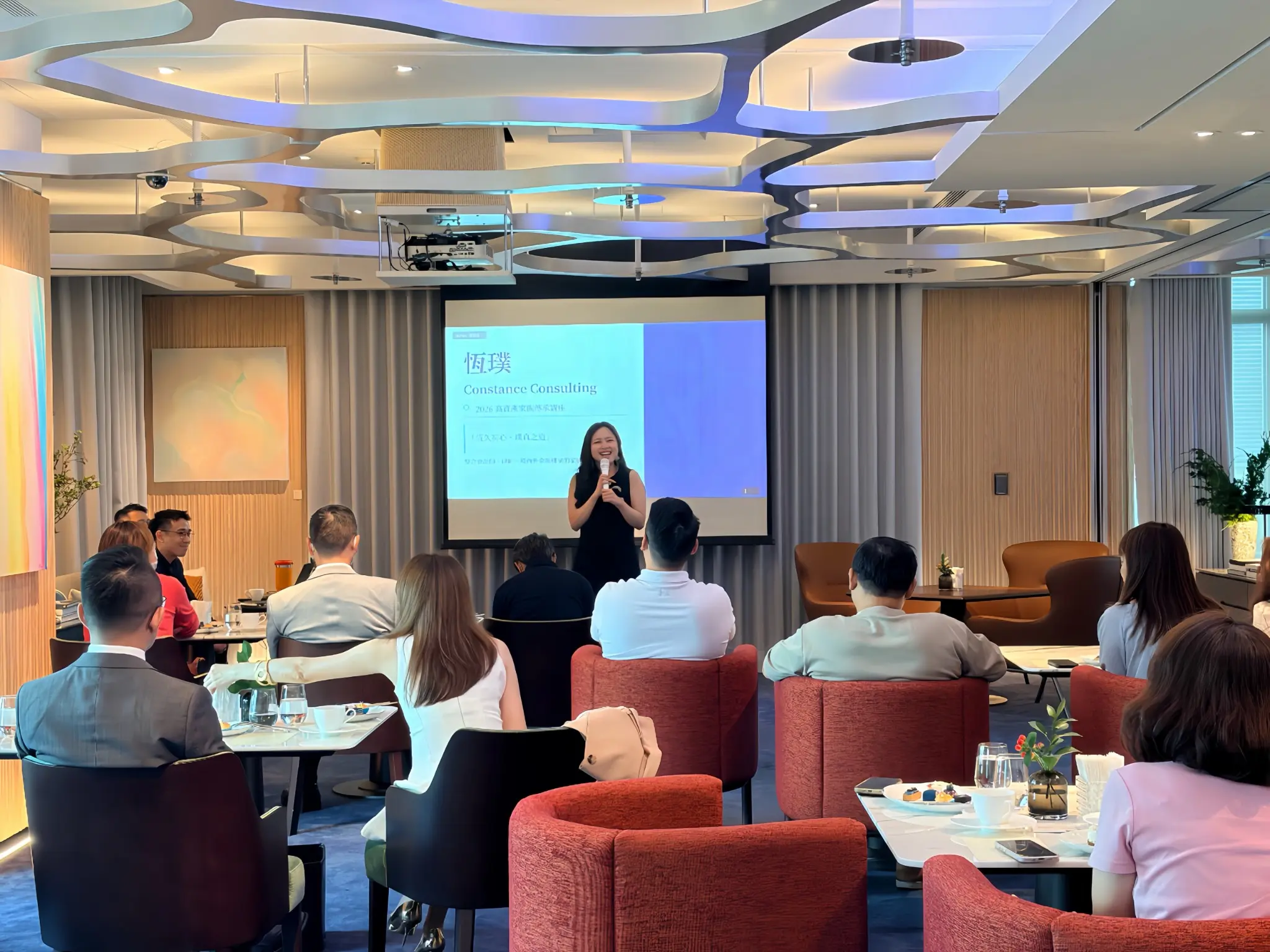
The second half was taken over by the Hung-Pu Consulting team.
Our proposed observation is:
Taiwan's high-net-worth families are "collectively" entering the succession window.
The baby boomer generation, which holds decades of accumulated wealth, is now between sixty and eighty years old.
Nearly 70% of small and medium-sized enterprises have no clear succession plan; 80% of high-net-worth families are self-made, with a strong emotional attachment to their wealth making it hard to let go; coupled with the tax authorities' increasingly sophisticated auditing and data-matching capabilities.
Four things happening simultaneously are not a trend; they are a structural tipping point.
Next, the team used four sets of de-identified scenarios
I. Asset Revitalization and Fair Distribution
2. Heritage of Intentions and Fair Balance
3. Asset Succession and Charitable Distribution
IV. Equity Succession and Family Governance
Demonstrate how the methodology is implemented using a practical case study:
First, conduct a comprehensive inventory of domestic and overseas assets, then identify risks, calculate taxes and liquidity gaps, and finally clarify "for whom and why the wealth is being passed down."
Finally, tailor the overall structure and select various tools such as trusts, insurance, and corporate structures.
and advance with a clear execution timeline. Tools vary from person to person, but the methodology remains consistent:Understand the big picture first, then talk about tools.
What Hengpu wants to do
Hengpu is positioned as a family wealth structuring platform that integrates accountants, lawyers, and domestic and foreign financial institutions.
In an era of information and rhetoric overload, the three roles we assign to ourselves are:
Noise cancellationFilter out sales noise and leave only the facts that matter to you
Anchoring—Helping the family clarify the goals that truly matter
Construction supervision—Monitoring every structural component to ensure it is properly executed.
We always believe that the hardest part of succession planning has never been the tools themselves, but rather translating the family's will into a framework that can withstand the tests of time, human nature, and the law—understanding human nature, bringing peace of mind, and perpetuating a legacy.
I'll let you know the moment the next lecture is scheduled.
This lecture is not a full stop.
Hengpu will continue to co-host inheritance seminars and small closed-door gatherings on various topics with professional partners such as accountants and lawyers.
From legislative amendment trends and tax structures to family governance. The time, location, and registration method for each session.
They will all be published on Hengpu's official LINE first. You are welcome to join us to keep track of the latest sessions at any time.

Click or scan the QR code to join Hengi's official LINE →
All case studies in this seminar have been anonymized. All asset data and scenarios are illustrative only and used solely for architectural explanation purposes, and do not constitute legal or tax advice. Specific planning must be evaluated and confirmed on a case-by-case basis by tax accountants and lawyers, taking into account the asset structure of the specific case and the regulations in effect at that time.